Keywords
SaaS
B2B
0→1
Research
Accessibility
Leadership
Timeframe
2023 - 2025
Systems That Survive Real Life
Scaling SocialHub for enterprise structure, trust, and flows
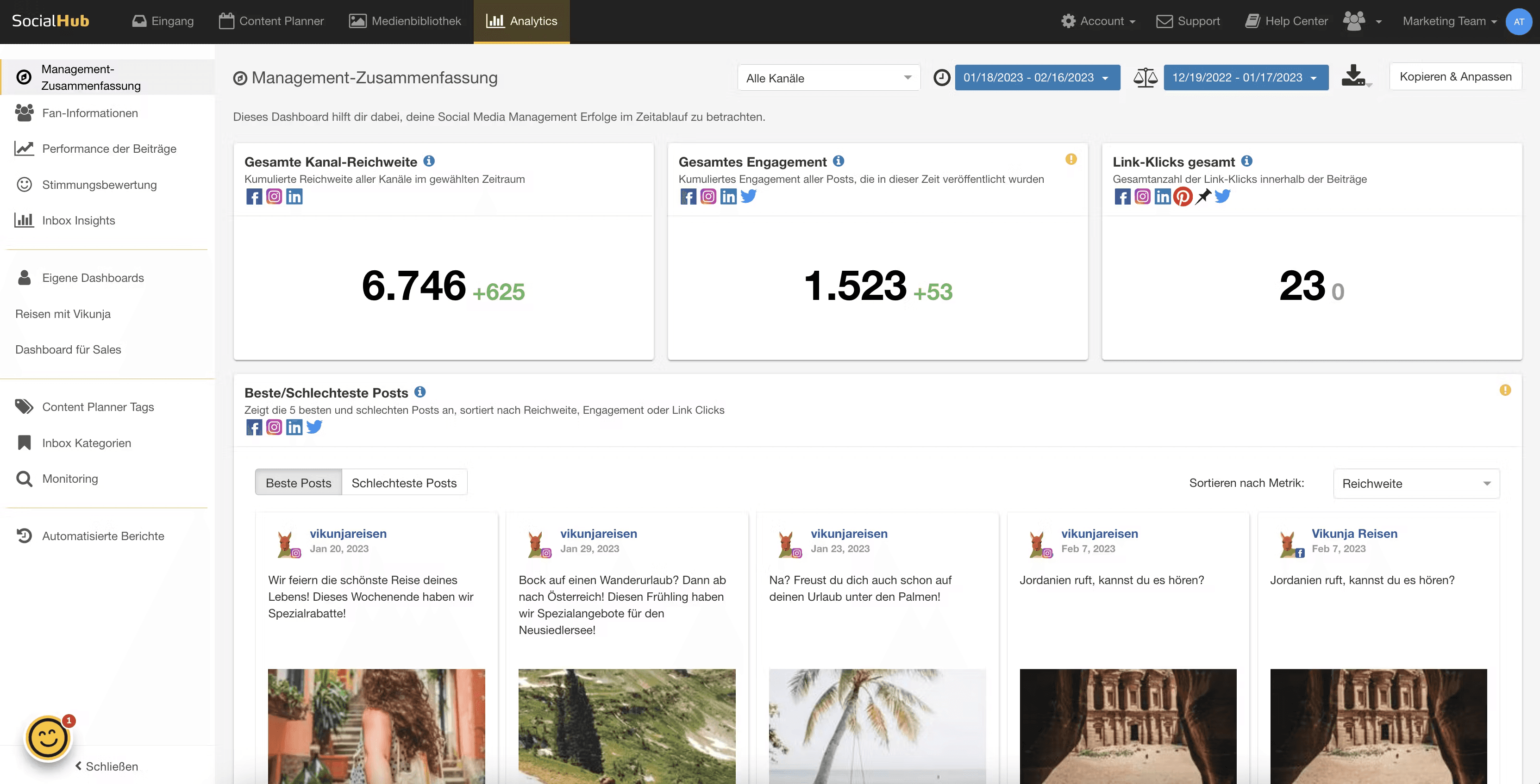
I work on complex B2B products where things break fast if the system isn’t thought through. My focus isn’t just shipping features, but designing structures teams can rely on when things get chaotic.
At SocialHub, I helped evolve the product from a single-user tool into a platform large teams could trust. That meant designing structure, ownership, and flow while keeping the experience effortless.
Note: This isn’t a single feature walkthrough. It shows how I approach my work, using multiple features I designed.
Context
SocialHub is a social media management platform used by teams and enterprise customers. As usage scaled, the product needed stronger structure, clearer ownership, and fewer workarounds outside the tool.
My Role
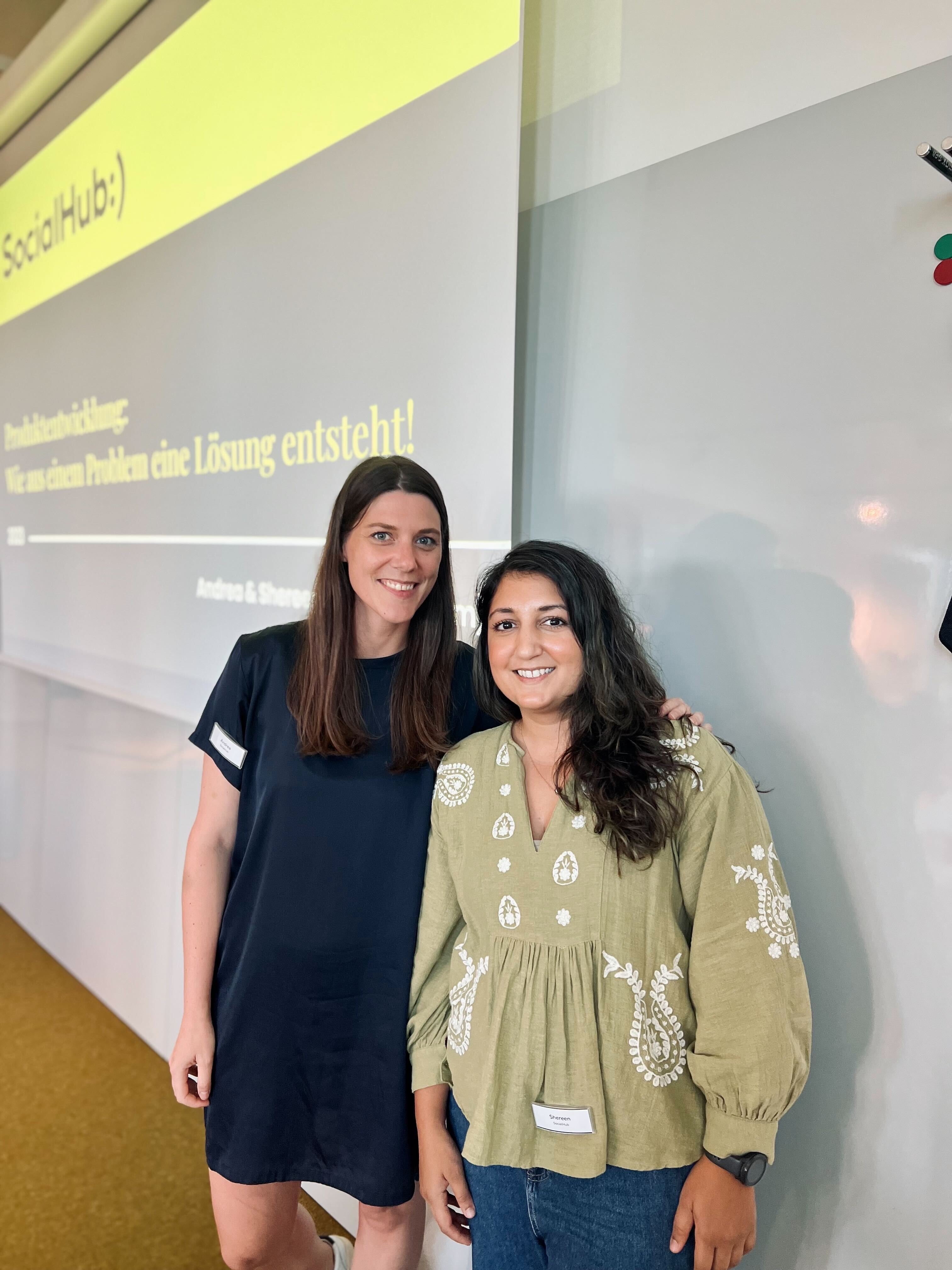
I was the Lead Product Designer at SocialHub, owning product design across the core web platform and two native apps.
As the product scaled, I helped move design away from one-off screenshots toward a more durable setup: a cohesive redesign, a reusable UI library, and clearer team habits.
I worked end-to-end with PM and Engineering, from early problem framing through UI and implementation, and supported other designers through mentoring and critique. I also owned UX writing across the platform in 3 languages.
My Approach
As a designer, I spend most of my time making complex ideas understandable.
I design features by thinking through how they’ll actually be used, across roles and situations, and by prioritizing practical ease over theoretical elegance.
The goal is always the same: make things feel obvious to use, even when what’s happening behind the scenes is extremely intricate.
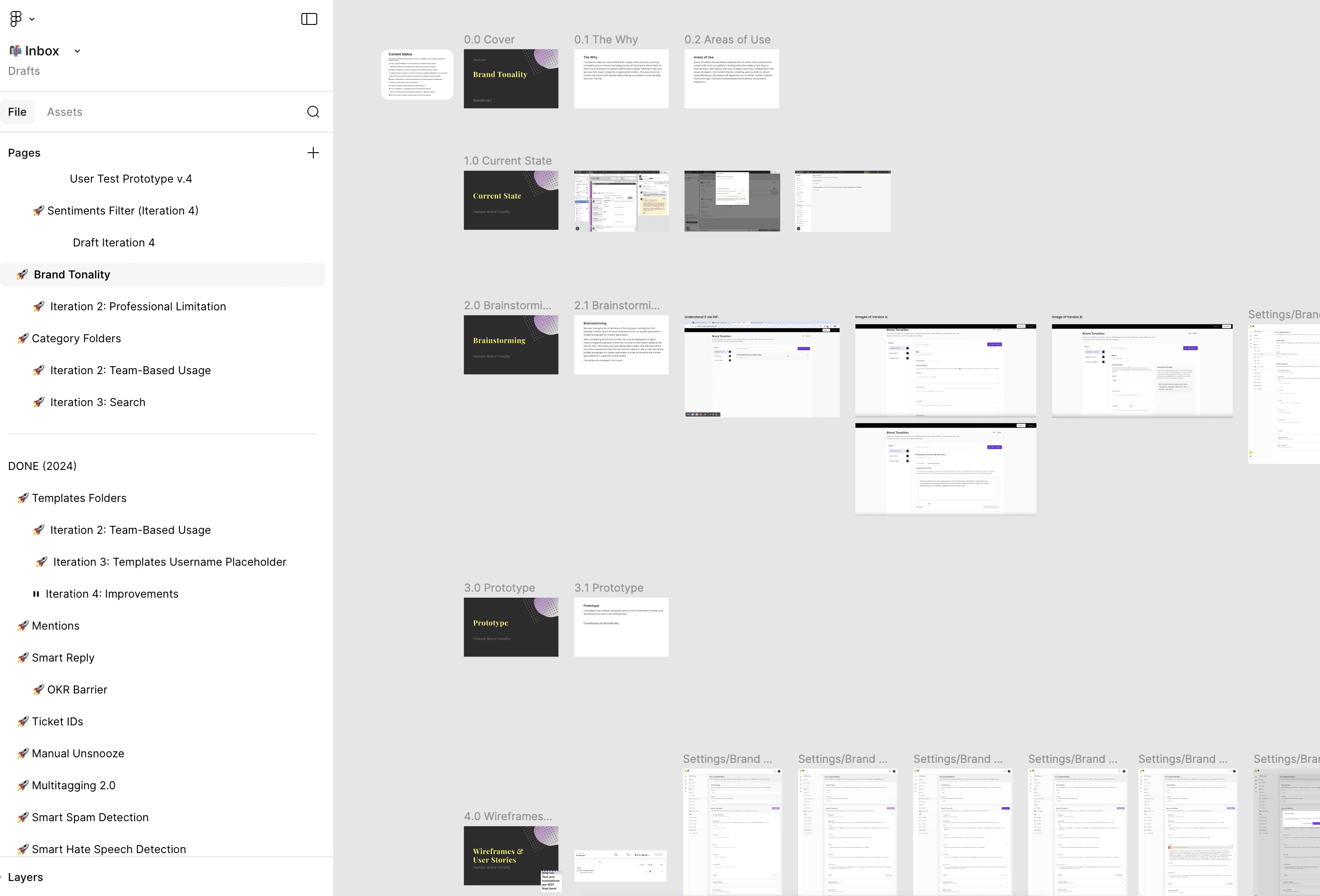
My Process
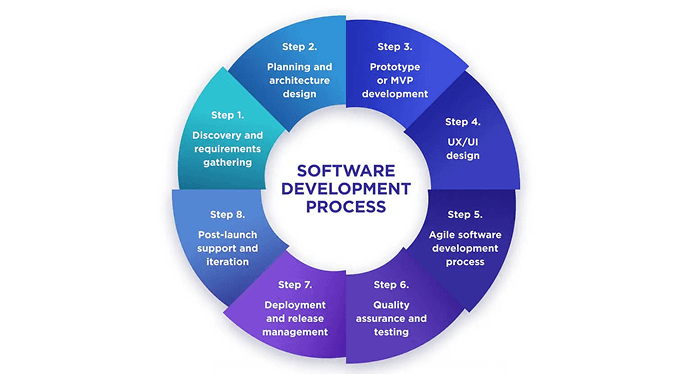
I adapt my work depending on the goals, the team, and the complexity of the work. My process at SocialHub looked like this:
Signals: we decided what to build based on user feedback, company-wide insights, and user metrics.
Discovery: we did everything to understand the workflow, roles, and constraints behind feature requests.
Early technical alignment: a Tech Lead was involved early to sanity-check feasibility and surface constraints before committing to a direction.
Concept & options: I explored solutions with the Product Trio, involving dev and design when needed. When decisions were stuck, I used quick prototypes or vibe coding to make tradeoffs tangible.
Kickoff: once the Product Trio aligned, I ran a kickoff with the product team to walk through the concept, edge cases, and open questions. After this I would present the concept to the whole company in a review setting.
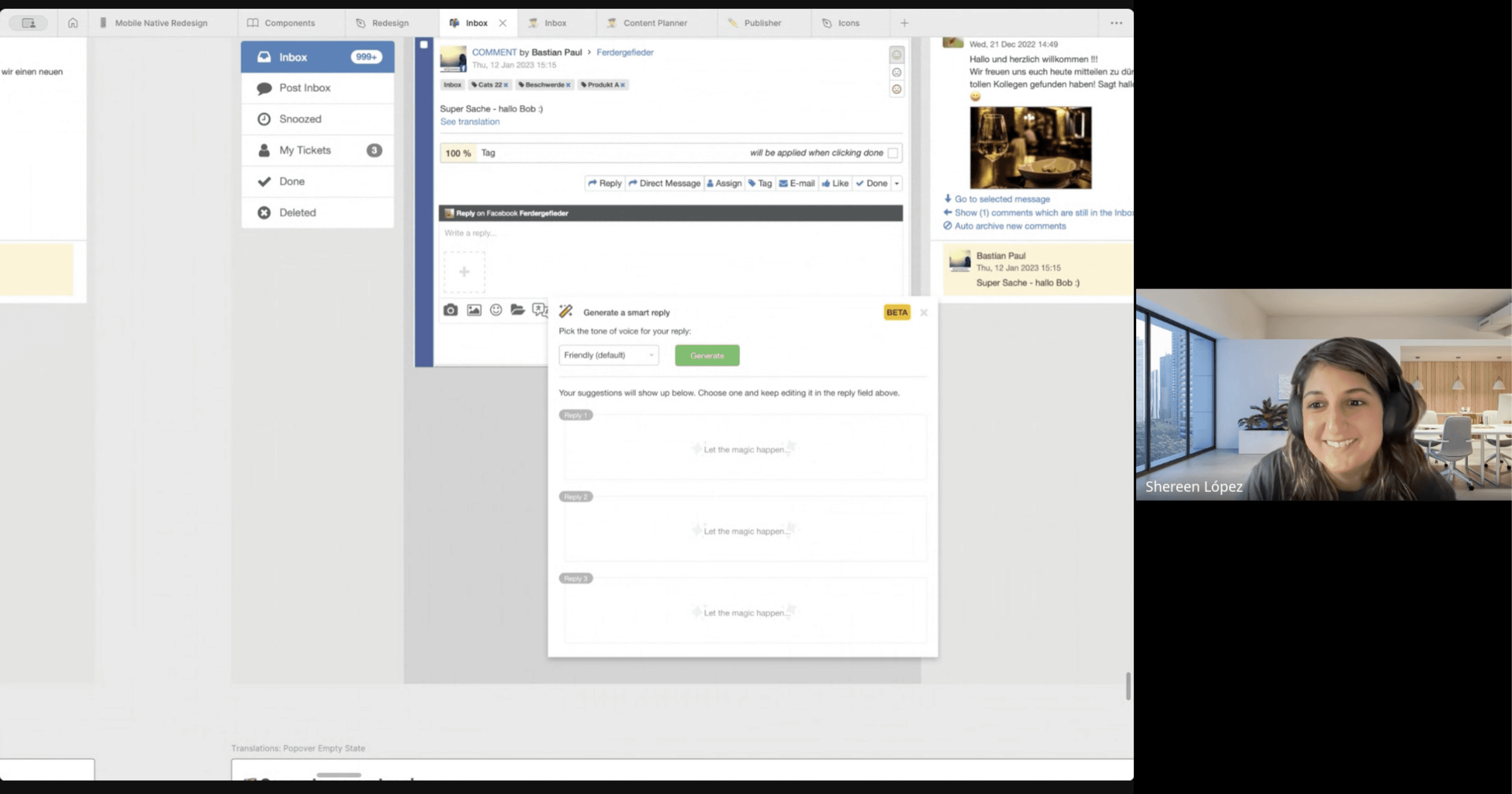
Execution support: during development, I answered questions, and helped engineers make decisions independently while keeping patterns consistent.
QA & launch: I did QA before release to make sure the shipped experience matched the intent, then supported launch. Upon launch, the live feature would be shown again to the whole company.
Post-launch check: after launch, we reviewed the success metrics we’d defined in advance, and iterated when needed.
Let's look at a few concrete examples that show how this all played out across different areas of the platform.
Smart Custom Folders
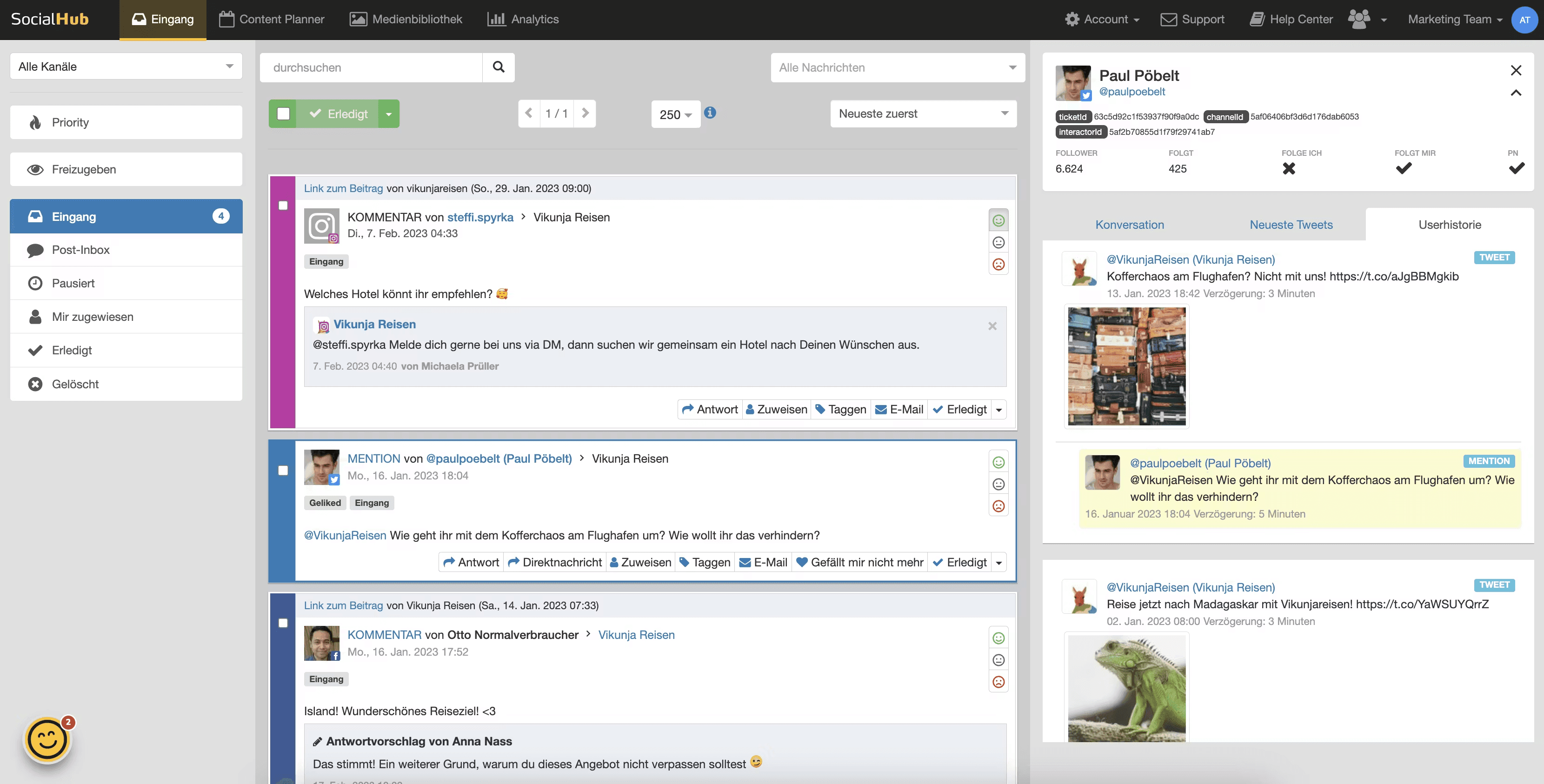
As teams grew, the Inbox stopped being one stream of tickets. Different channels, different types of requests, and different urgency levels all landed in the same place.
The problem wasn’t that people needed more folders. It was that the default structure wasn’t enough to surface what mattered quickly, without manual filtering over and over again.
So I designed Smart Custom Folders: shared inbox folders that automatically sort tickets based on channel, type, or sentiment, so teams can create the structure they need and keep it up to date without extra work.
I treated the first version as a foundation, the model supports adding more criteria and folder types later without needing a redesign.
The Smart Custom Folders feature in the old design.
The Smart Custom Folders feature in the new design.
Why this worked
Shared structure without micromanaging how people work.
Reduced manual upkeep, so attention goes to the tickets, not the sorting.
A simple setup that teams adopt quickly and use consistently.
Multi-Stage Approval
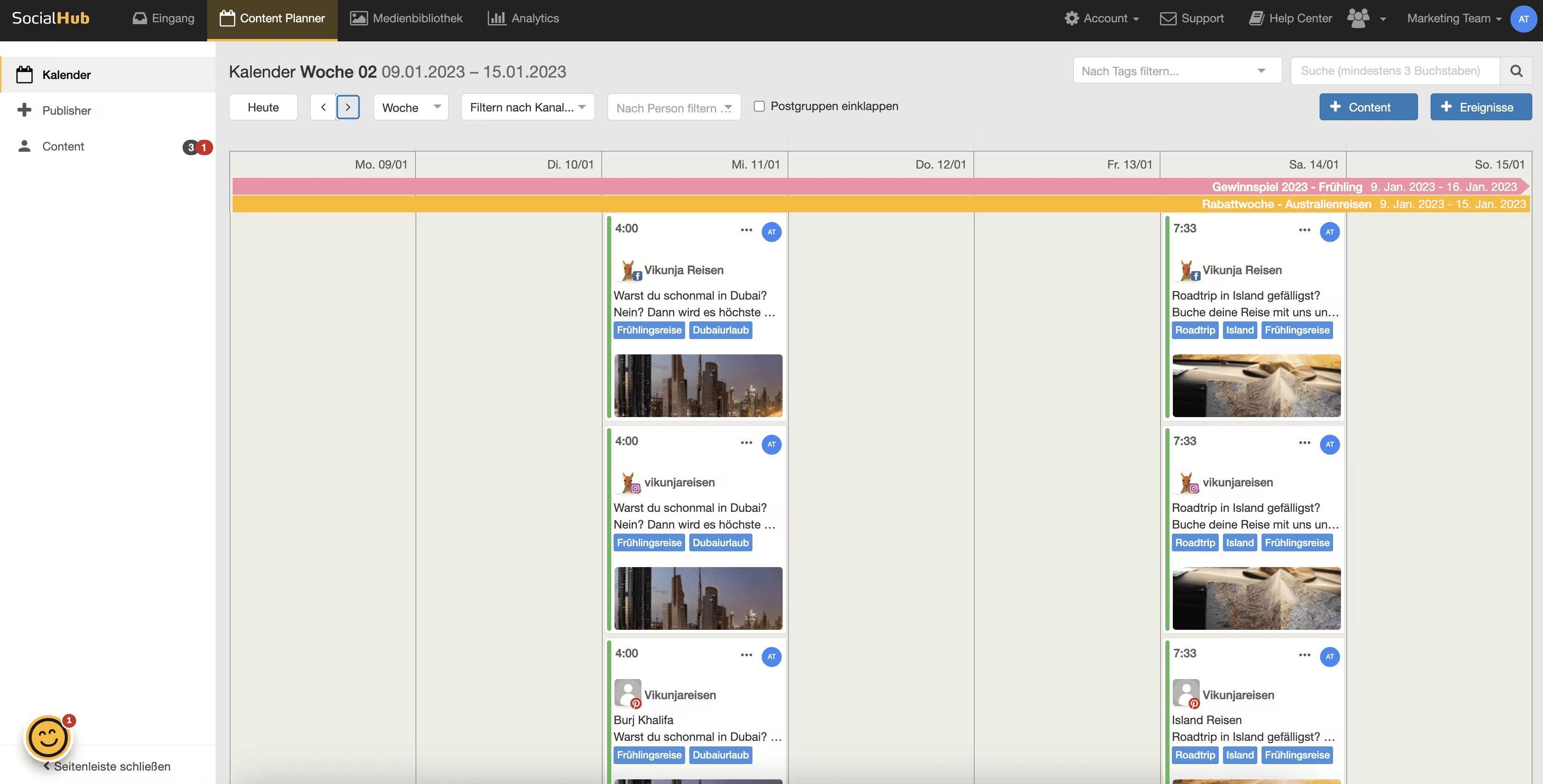
As teams grew, publishing content stopped being a simple yes-or-no decision. Different roles needed different levels of visibility, and approvals often depended on context: who created the post, which channel it was for, and what stage it was in.
The challenge was making responsibility and status clear without forcing users to learn a complicated process.
I designed a multi-stage approval flow that reflects how teams actually work: clear states, explicit ownership, and predictable transitions. Complexity is handled by the system, while the interface stays readable and calm.
Why this worked
Clear ownership, so it’s always obvious who’s responsible at each stage.
Explicit states, so nothing feels hidden or ambiguous.
Complex rules handled quietly, without pushing decisions onto the user.
Translation
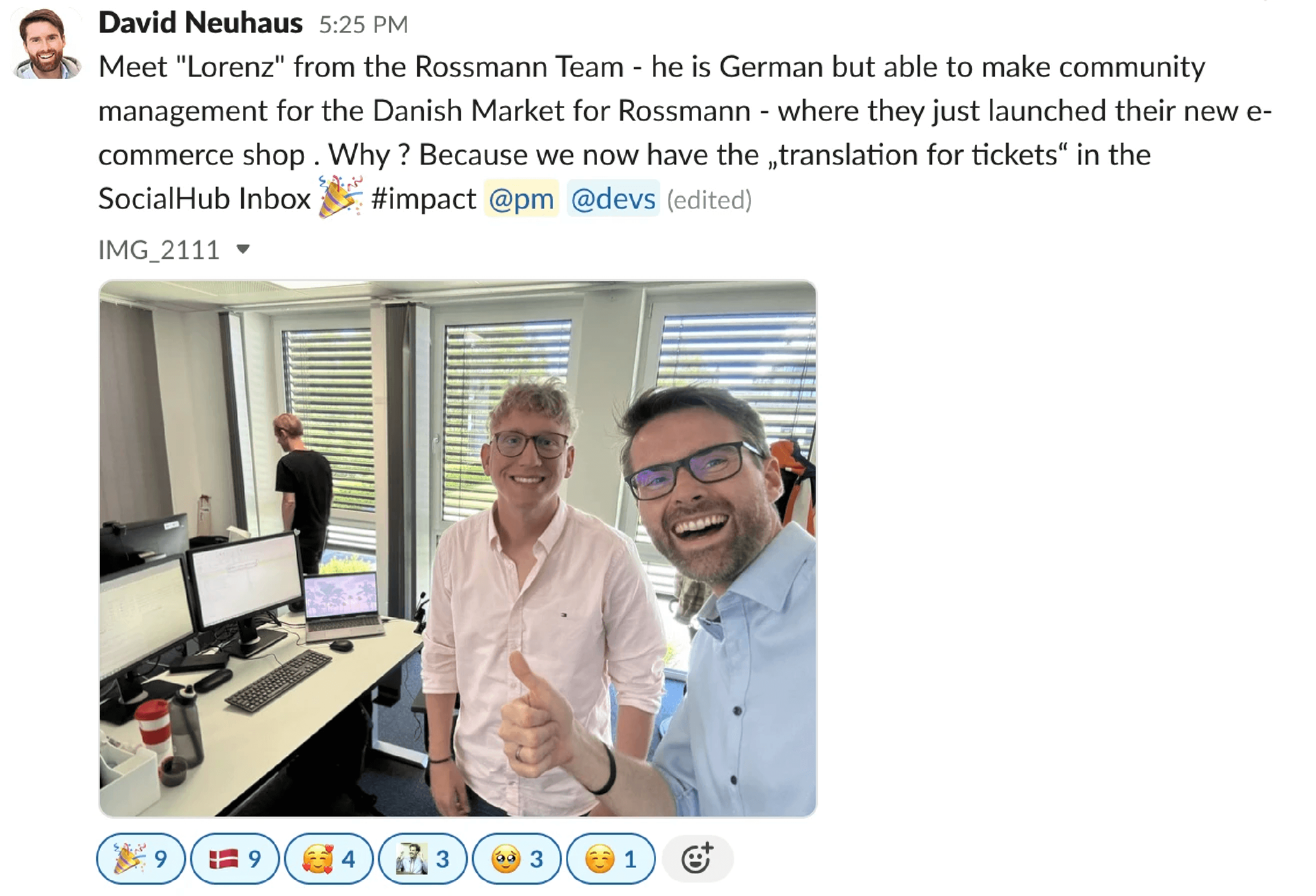
International community management sounds glamorous until you’re staring at a ticket you can’t read and still have to reply fast, correctly, and in the right tone.
The real problem was that translation lived outside the workflow. Copying text into another tool breaks focus, loses context, and increases the risk of sending the wrong message.
To resolve these issues, I designed Ticket Translation and Reply Translation directly in the Inbox. Users can translate incoming messages to understand them instantly, then translate their reply before sending, without leaving the thread.
Why this worked
No copy-paste detours, translation happens where the ticket is.
More coverage so teams can handle tickets across markets.
Faster resolution times and quicker replies that move the thread forward.
Canva Integration
Content creation was part of everyday work for our users. Assets were created, adjusted, reused, and iterated constantly, often by different people.
The friction came from breaking that flow. Designing in one tool, exporting files, re-uploading, and managing versions pulled people out of their work and slowed everything down.
I integrated Canva directly into the workflow. Users can now open existing media in Canva, edit it, and export it straight back. Or start in Canva and push finished designs directly, without extra steps.
The focus was keeping momentum and reducing unnecessary handoffs.
Why this worked
Fewer context switches, so creating assets doesn’t interrupt the task.
Less file chaos, because exports go straight where they’re needed.
Fits different working styles, whether someone starts in Canva or the hub.
Impact
0%
Faster velocity
kickoff to release
0%
Repeat usage
within 30 days
0%
User satisfaction
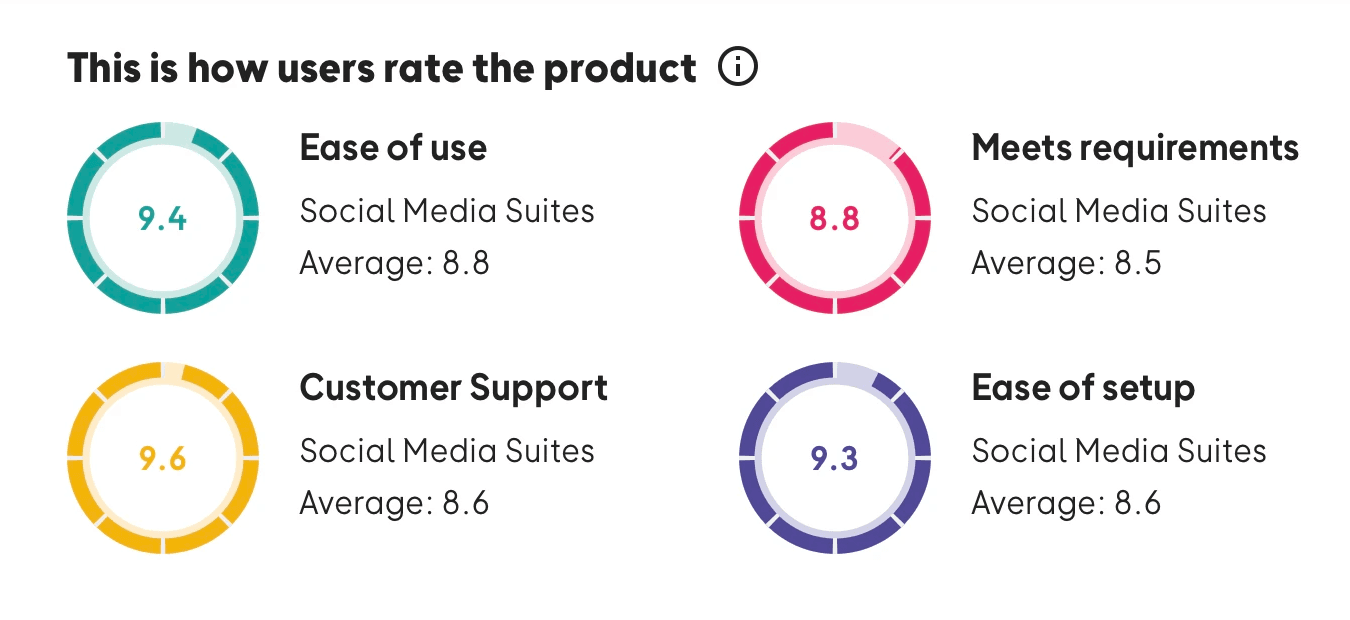
across 800+ reviews
Reflection
Design scales when it survives real life. Reusable patterns, consistent language, workflows that hold up under pressure. Details evolve but the job stays the same: make the challenges manageable.
What All of This Unlocked…
Once foundations were in place, teams could move faster without the product fragmenting. New features reused patterns, decisions were clearer, and the platform scaled without adding friction for users.
Shereen can step into any team, be given any problem, and she’ll find a way to make it work. She simplified things super quickly, aligned people towards one shared goal, and got us to ideas we could actually ship.
Andrea
Product Management Lead
Beyond her professional excellence, Shereen brought genuine warmth, humility, and team spirit into every collaboration. She made space for others, shared her knowledge generously, and led with quiet confidence. She inspired us through her example: open to feedback, eager to learn, and full of integrity.
Elli
Product Designer
Shereen's biggest impact was that design decisions were made with implementation and scale in mind. Engineering was involved early, constraints were clear, and systems were built so we could extend them without breaking consistency. That reduced uncertainty during development and allowed engineers to make decisions independently without needing design input for every edge case.
Igor
Tech Lead
More Shipped Work
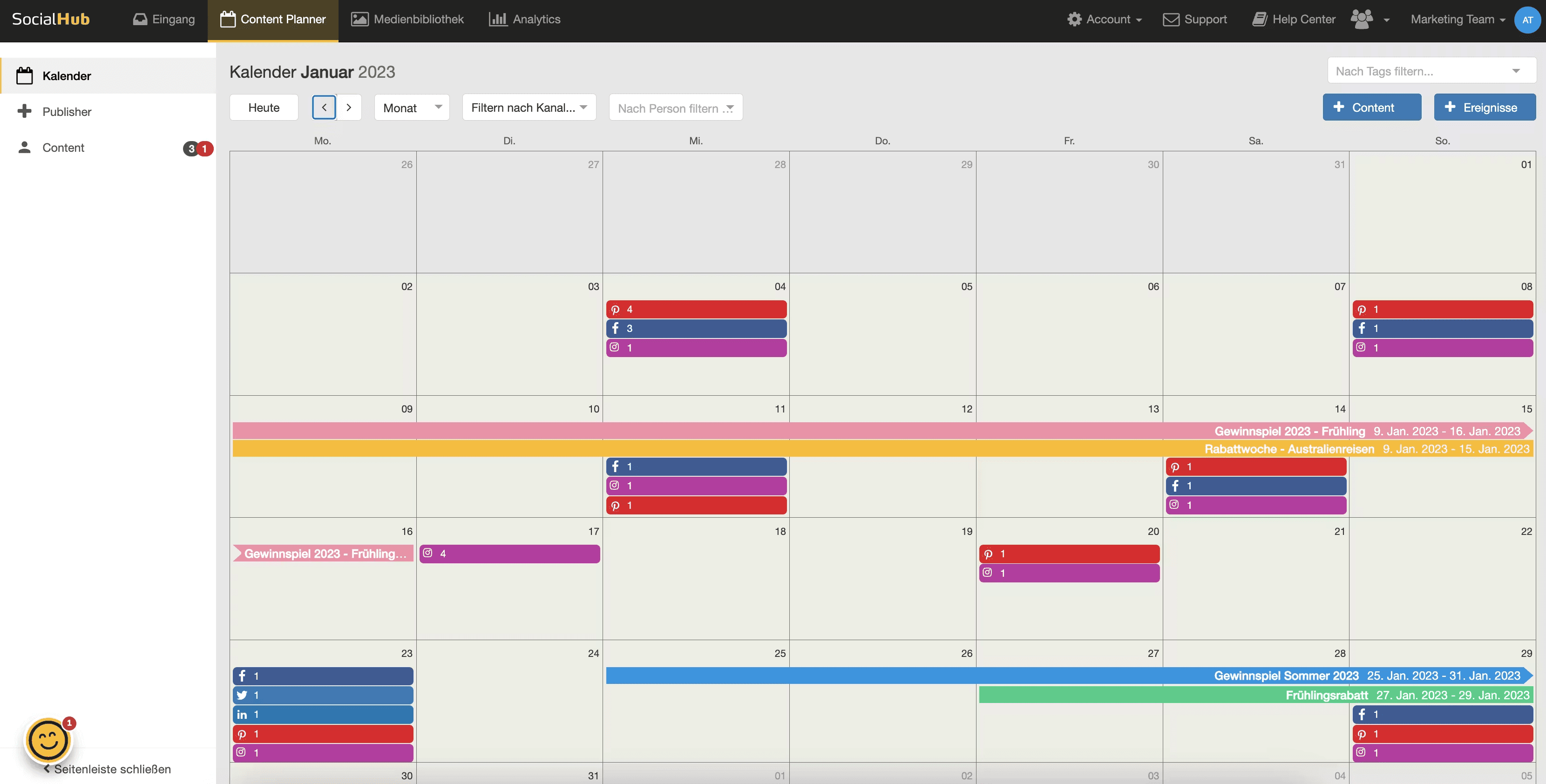
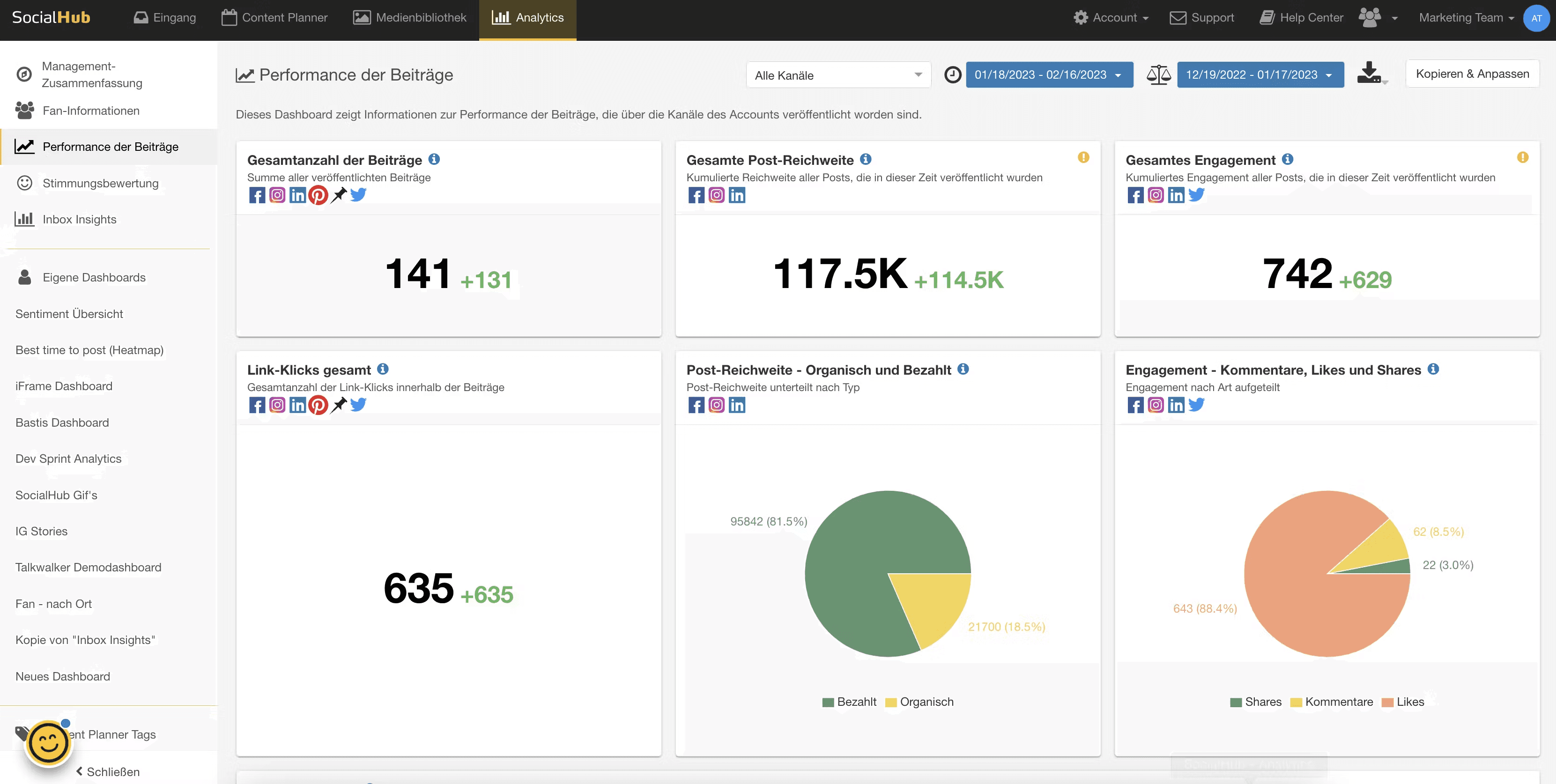
A snapshot of other concepts designed by me that went live across web and native.
Get started
Let's Connect
If you’re building a SaaS product and need someone with clarity, experience, and a get-shit-done mindset, let’s talk.